October 31, 2026
Asphalt driveways and parking areas experience constant exposure to vehicle traffic, sunlight, rain, and changing temperatures. Over time, these conditions can gradually wear down the pavement and contribute to fading, cracking, and surface deterioration. Regular maintenance helps property owners address these effects before minor problems develop into more extensive damage. Asphalt sealcoating services can provide a protective surface treatment that helps preserve the appearance and condition of suitable asphalt pavement. When combined with crack repairs, proper drainage, and routine inspections, sealcoating can become a valuable part of a long-term pavement maintenance plan. However, the treatment is not a replacement for repairing structural damage or correcting problems with the underlying foundation. Understanding how sealcoating works can help property owners make informed decisions about maintaining their driveways, private roads, and parking areas. With an appropriate maintenance schedule and professional guidance, asphalt surfaces can remain functional and attractive for longer.
1. Protecting Asphalt From Sunlight and Oxidation
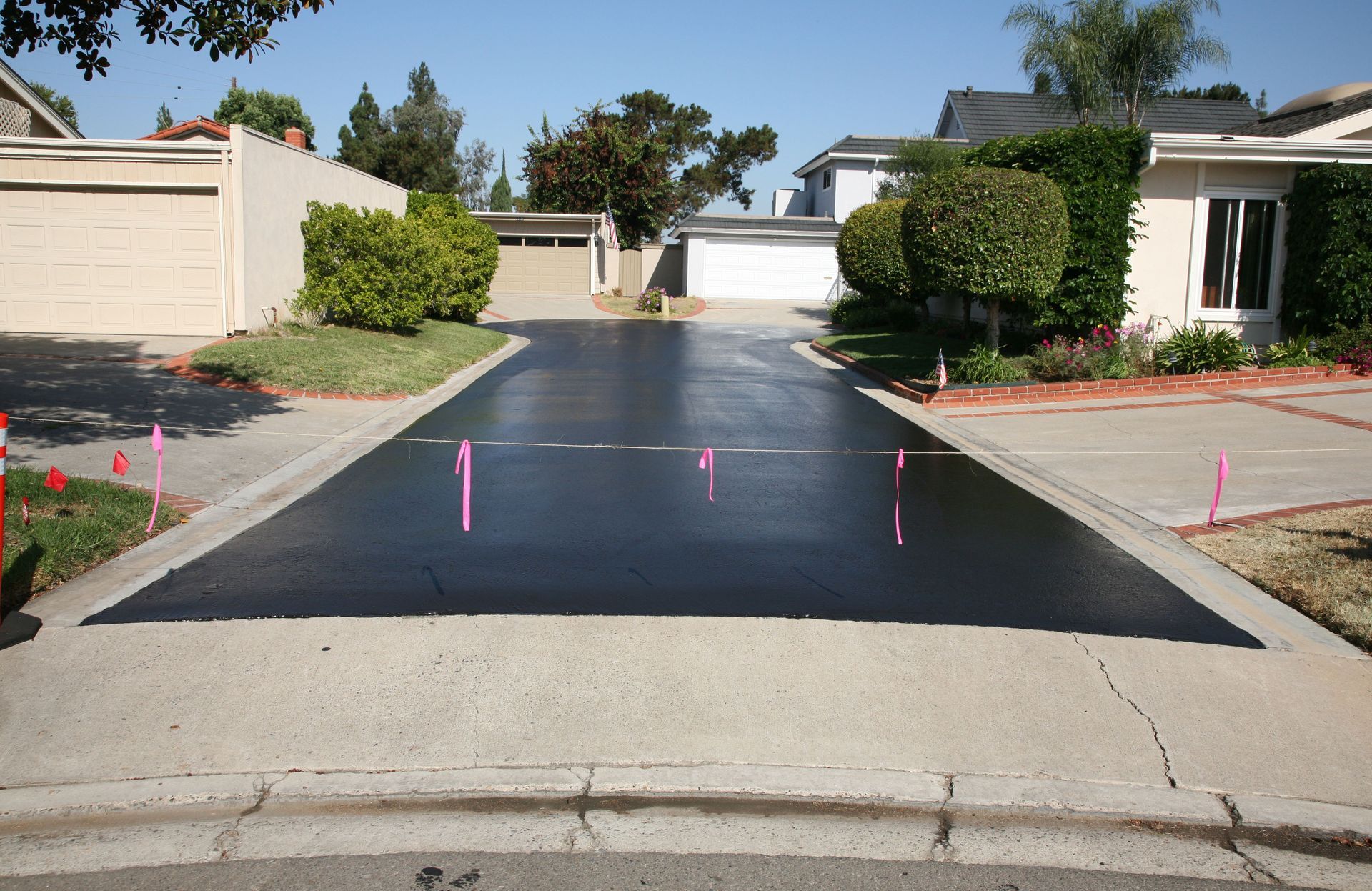
Sunlight gradually affects asphalt pavement by exposing its binder to ultraviolet radiation and contributing to oxidation. As the binder ages, it can become harder and less flexible, making the surface more vulnerable to cracking and deterioration. Sealcoating adds a protective layer over suitable asphalt, helping limit direct exposure to environmental conditions. Professional asphalt sealcoating services can help property owners determine whether their pavement is ready for treatment based on its age and current condition. Applying the coating at an appropriate time may help slow certain forms of surface aging. However, sealcoating cannot reverse oxidation that has already caused extensive deterioration or restore a pavement structure that has failed. A contractor should evaluate the surface and recommend repairs where needed before applying the treatment. By incorporating suitable protective measures into a broader maintenance plan, property owners can help preserve the pavement's condition and reduce avoidable surface wear.
2. Reducing Moisture-Related Pavement Damage
Water is one of the main factors that can contribute to asphalt deterioration when it enters cracks and reaches the underlying pavement layers. Moisture may weaken supporting materials, contribute to potholes, and worsen existing surface defects. Sealcoating helps protect the pavement surface by creating a barrier that reduces direct exposure to water, although it does not make the entire pavement structure waterproof. Asphalt sealcoating services are most effective when combined with proper drainage and timely repairs to existing cracks. Before applying a coating, contractors should identify areas where water collects or where damage may allow moisture to penetrate the surface. These concerns may require crack sealing, patching, or drainage improvements before the treatment can provide meaningful benefits. Property owners should also keep drains and runoff pathways clear to help water move away from paved areas. Addressing moisture concerns as part of regular maintenance can help reduce the likelihood of recurring deterioration.
3. Preserving Surface Flexibility and Appearance
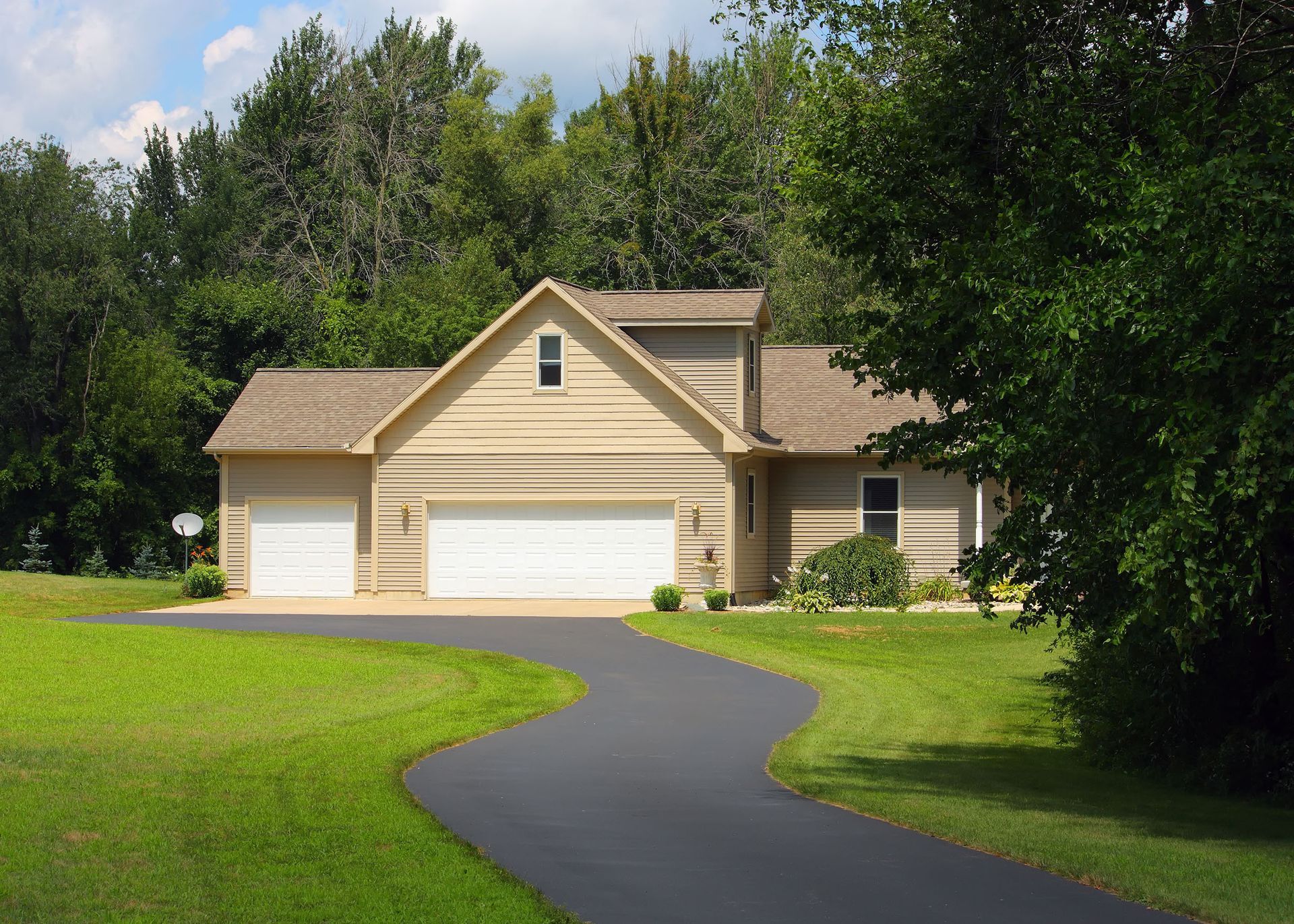
As asphalt ages, the binder can become less flexible, making the pavement more susceptible to cracking under repeated traffic and changing temperatures. Although sealcoating cannot restore the original properties of aged asphalt, it can help protect the existing surface from some environmental stresses. A suitable coating may also create a more uniform appearance by refreshing pavement that has become faded or weathered. Property owners often appreciate this visual improvement because driveways and parking areas contribute to the overall appearance of a home or commercial property. Professional asphalt sealcoating services can help determine which coating is appropriate for the pavement's material and condition. The surface generally needs to be clean and sufficiently sound before treatment, since loose material and significant defects can interfere with the result. Sealcoating should not be used to hide serious cracks, potholes, or structural problems that require separate repairs. When the pavement is in suitable condition, the treatment can support a cleaner appearance while helping protect the surface against ongoing exposure.
4. Preventing Minor Defects From Becoming Major Repairs
Small cracks may seem insignificant at first, but they can provide pathways for water and debris to enter the pavement. As traffic and weather continue to affect the surface, these openings can widen and contribute to more extensive damage. A proactive maintenance approach involves identifying defects early and repairing them with suitable methods. According to Today's Homeowner, maintaining an asphalt driveway with sealcoating every two to four years, along with prompt crack repairs, is important for protecting the surface and preserving its value. This approach emphasizes the role of regular attention rather than waiting until deterioration becomes widespread. Contractors can inspect the pavement, identify problem areas, and determine whether crack sealing or patching should occur before the coating is applied. The appropriate treatment depends on the crack's size, location, and likely cause. Combining repairs with a suitable sealcoating schedule can help property owners manage maintenance needs before damage becomes more disruptive or expensive.
5. Improving Resistance to Everyday Traffic
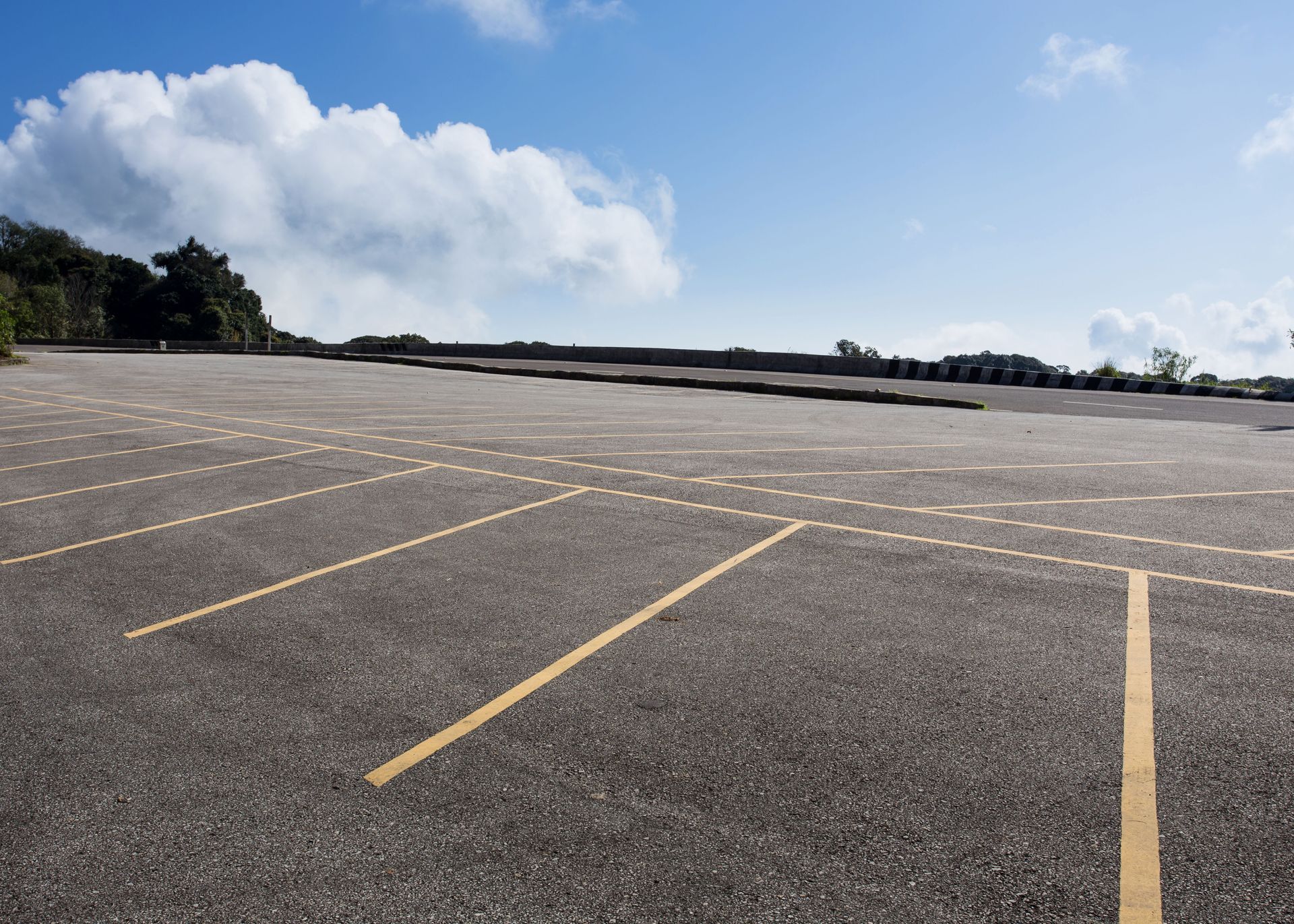
Driveways and parking areas must withstand repeated vehicle movements, including turning, braking, parking, and occasional heavier loads. Over time, these activities can contribute to surface wear, especially in areas that experience concentrated traffic. Sealcoating can help protect the surface from certain forms of weathering and everyday exposure, but it does not increase the pavement's structural capacity. Property owners should ensure that the original pavement was designed for its intended use and that major defects are addressed separately. Asphalt sealcoating services can form one part of a maintenance program designed to keep suitable pavement in good condition. Contractors may recommend additional repairs where repeated traffic has caused depressions, rutting, or localized failures. Avoiding unnecessary heavy loads and monitoring high-use areas can also help limit premature deterioration. With appropriate construction and maintenance, asphalt surfaces can remain serviceable while receiving the attention needed to address wear over time.
6. Supporting Cost-Effective Pavement Maintenance
Maintaining asphalt regularly can help property owners plan expenses rather than responding only when serious damage occurs. Inspections allow developing cracks, surface wear, and drainage concerns to be identified before they affect larger areas. Sealcoating may help protect sound pavement and improve its appearance, while targeted repairs can address defects that the coating cannot resolve. The cost and frequency of maintenance depend on pavement age, traffic levels, weather exposure, and the quality of the original installation. A professional assessment can help establish which treatments are appropriate and which areas need repair first. Property owners should compare maintenance recommendations based on the pavement's actual condition rather than relying on a fixed schedule alone. Keeping records of previous treatments and repairs can also make it easier to plan future work. A well-organized maintenance strategy can help reduce avoidable deterioration and support more predictable long-term pavement care.
7. Maintaining a Consistent Sealcoating Schedule
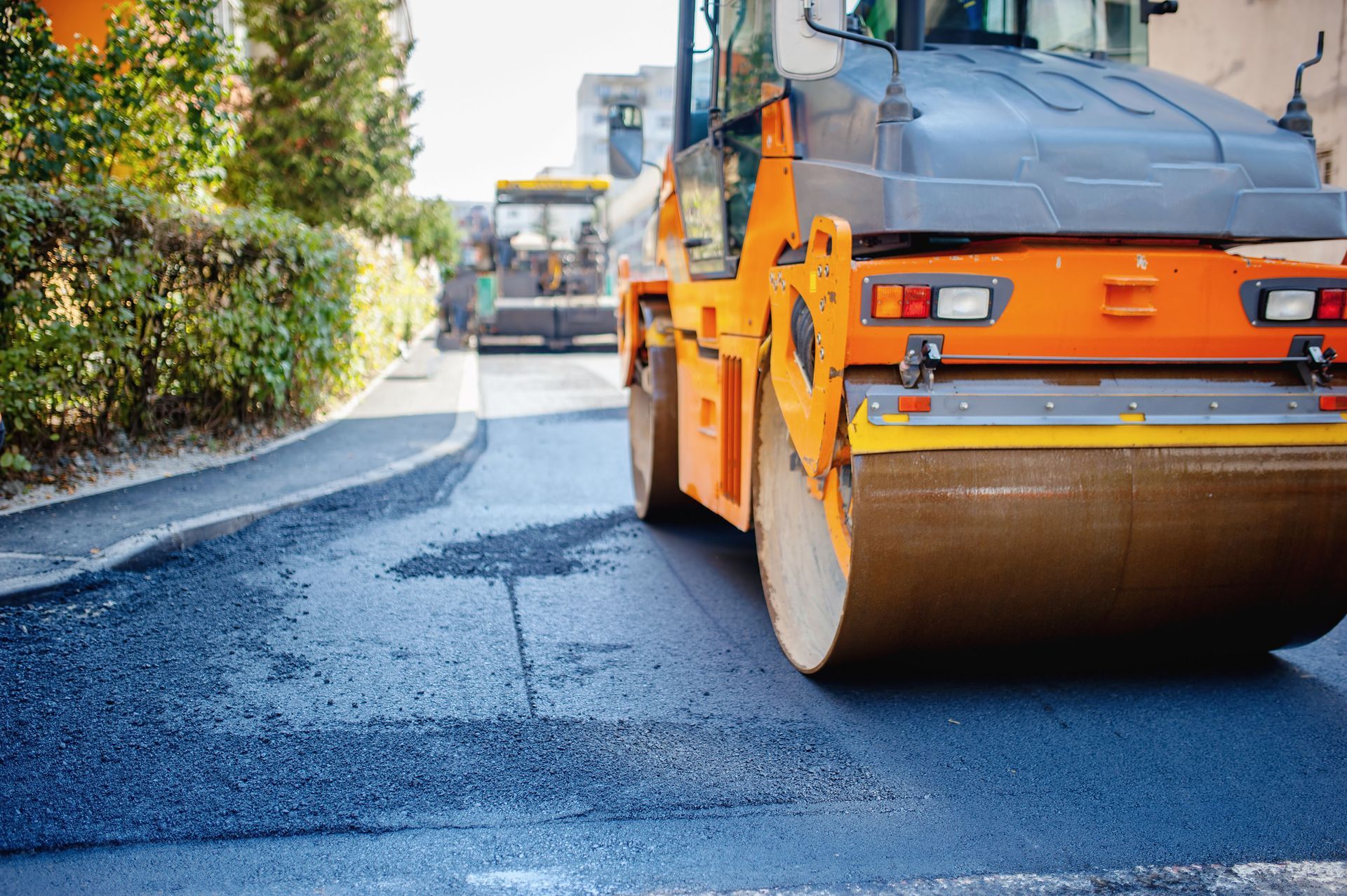
Sealcoating works best when it is applied at a suitable time and supported by regular pavement inspections. Applying a coating too early, too frequently, or over a damaged surface may not deliver the expected results. Contractors should evaluate the existing asphalt, consider previous treatments, and recommend a schedule based on the property's conditions. Professional asphalt sealcoating services can also help property owners understand the preparation, application, and drying requirements involved. Before work begins, the pavement may need cleaning, minor repairs, and protection from traffic until the coating has adequately dried. Weather conditions can affect application and drying, so the contractor's instructions should be followed carefully. After treatment, property owners should continue monitoring the pavement and address new cracks or drainage issues as they appear. Consistent maintenance, rather than sealcoating alone, provides the best approach to preserving asphalt over time.
Sealcoating can be a useful part of asphalt maintenance by helping protect suitable pavement from environmental exposure and refreshing its appearance. When combined with timely crack repairs, proper drainage, and regular inspections, it can support a practical approach to preserving driveways and parking areas. However, the condition of the existing pavement should always guide the maintenance plan, since serious structural problems require more than a surface coating. Mid-Ohio Asphalt & Concrete Inc can help property owners evaluate their pavement needs and determine suitable next steps. Discuss any fading, cracking, drainage concerns, or other visible changes when arranging a professional assessment. Contact us to learn more about maintaining your surface with exceptional asphalt sealcoating services.