May 1, 2026
Paving projects require far more than simply laying down asphalt or concrete. The difference between a surface that performs well for years and one that deteriorates quickly often comes down to the methods and materials used throughout the process. Professional paving companies approach each project with a focus on durability, efficiency, and long-term performance, carefully considering every phase from preparation to finishing. Their ability to combine advanced techniques with proven practices helps deliver surfaces that stand up to traffic, weather, and time.
From material selection to workforce training, every detail plays a role in shaping the outcome. Experienced paving companies understand that long-lasting results are built through consistency and attention to detail rather than shortcuts. By investing in high-quality resources and maintaining strict operational standards, they create surfaces that not only look clean and uniform but also hold up under real-world conditions. This commitment to quality is what distinguishes professional paving work and supports reliable performance across a wide range of applications.
Selecting Materials and Maintaining Quality Standards
The foundation of any successful paving project begins with the careful selection of materials. High-quality asphalt mixes and concrete components are chosen based on the specific demands of the project, including traffic load, climate conditions, and intended use. Paving companies prioritize consistency in these materials, as even minor variations can affect performance over time. By working with dependable suppliers and conducting thorough testing, they create mixtures that deliver both strength and flexibility.
Beyond asphalt, aggregates such as crushed stone, gravel, and sand contribute to the structural integrity of paved surfaces. These materials must be properly graded and tested to support load distribution and prevent premature wear. Attention to detail during this stage allows paving companies to create stable foundations that reduce the likelihood of cracking, shifting, or uneven surfaces. Strong material selection directly supports the longevity of the finished pavement.
Quality control plays a major role throughout the entire process. Regular inspections, laboratory testing, and on-site evaluations help verify that materials and installation methods meet established standards. This consistent oversight allows paving companies to address potential issues early and maintain a high level of precision. The result is a finished surface that performs reliably and maintains its appearance over time.
Utilizing Advanced Equipment and Precision Technology
Modern paving projects rely heavily on advanced equipment to achieve accurate and consistent results. Paving machines equipped with automated controls allow crews to distribute materials evenly and maintain proper thickness across the entire surface. These machines help companies complete projects efficiently while maintaining the level of precision required for long-term performance.
Grading equipment also plays a critical role in preparing the base layer before paving begins. Proper grading establishes the correct slope and alignment, which supports effective drainage and prevents water accumulation. Laser-guided systems and GPS-enabled tools allow paving companies to achieve exact measurements, reducing the need for rework and improving overall efficiency. A well-prepared base contributes directly to the durability of the finished surface.
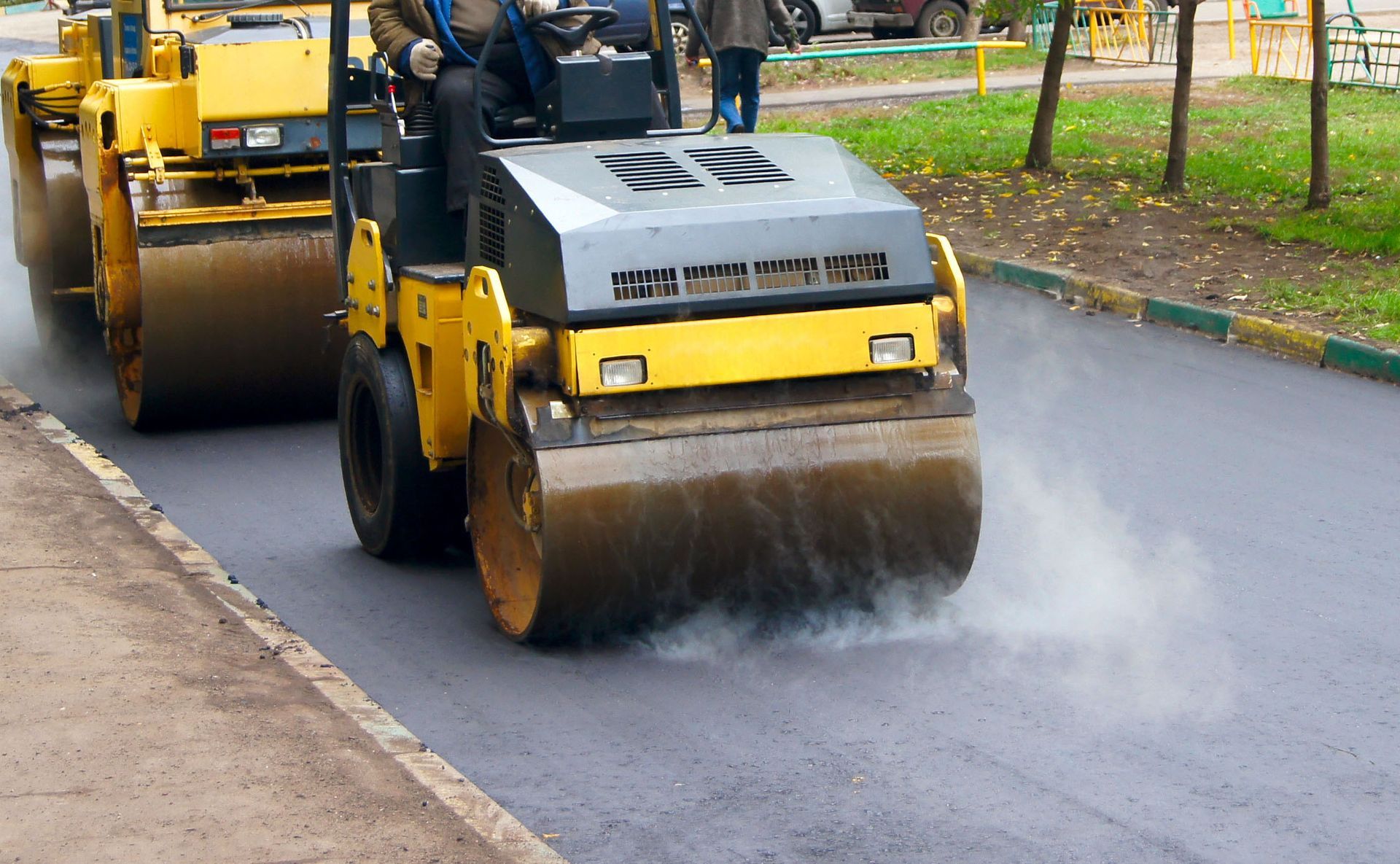
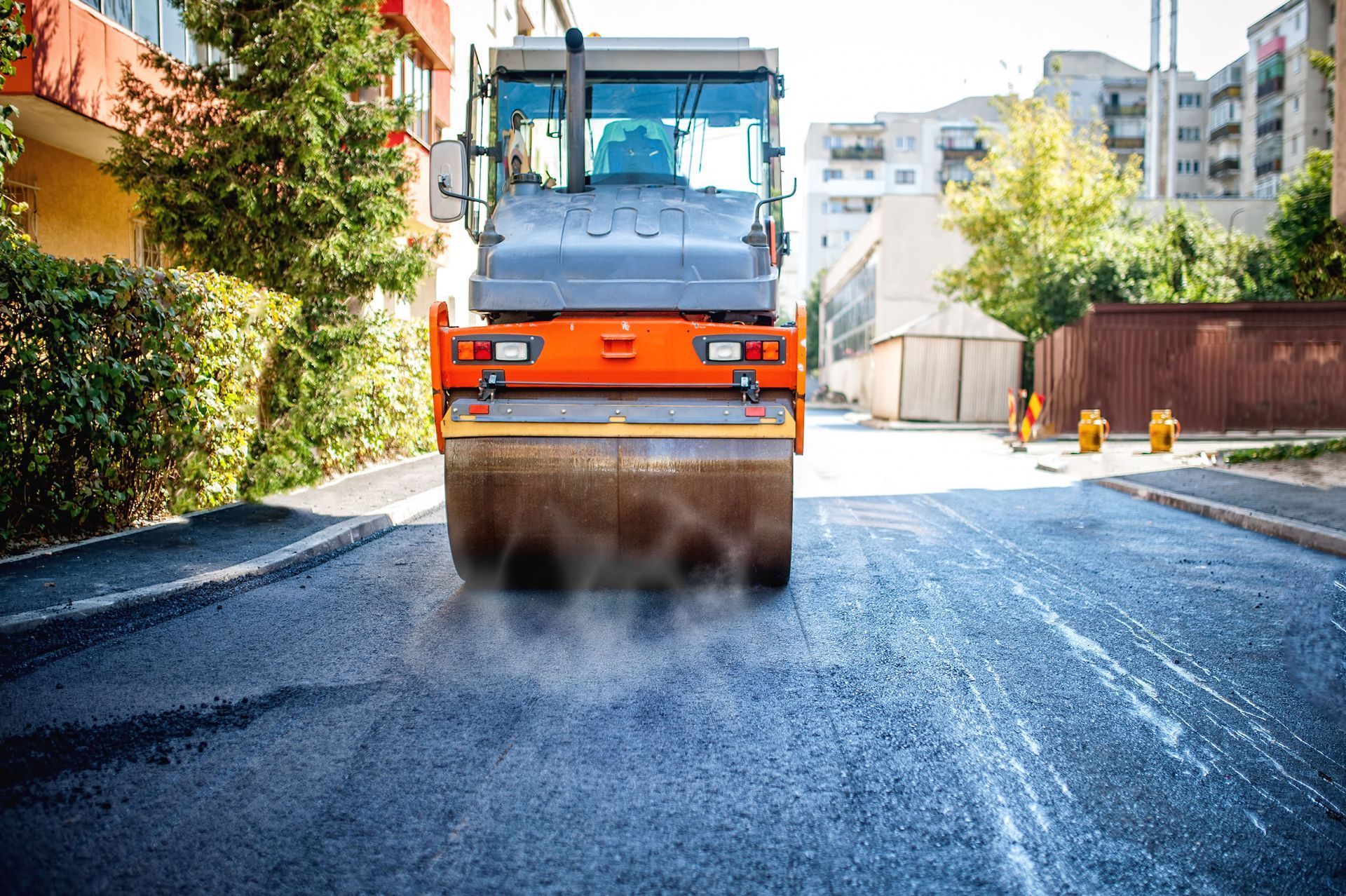
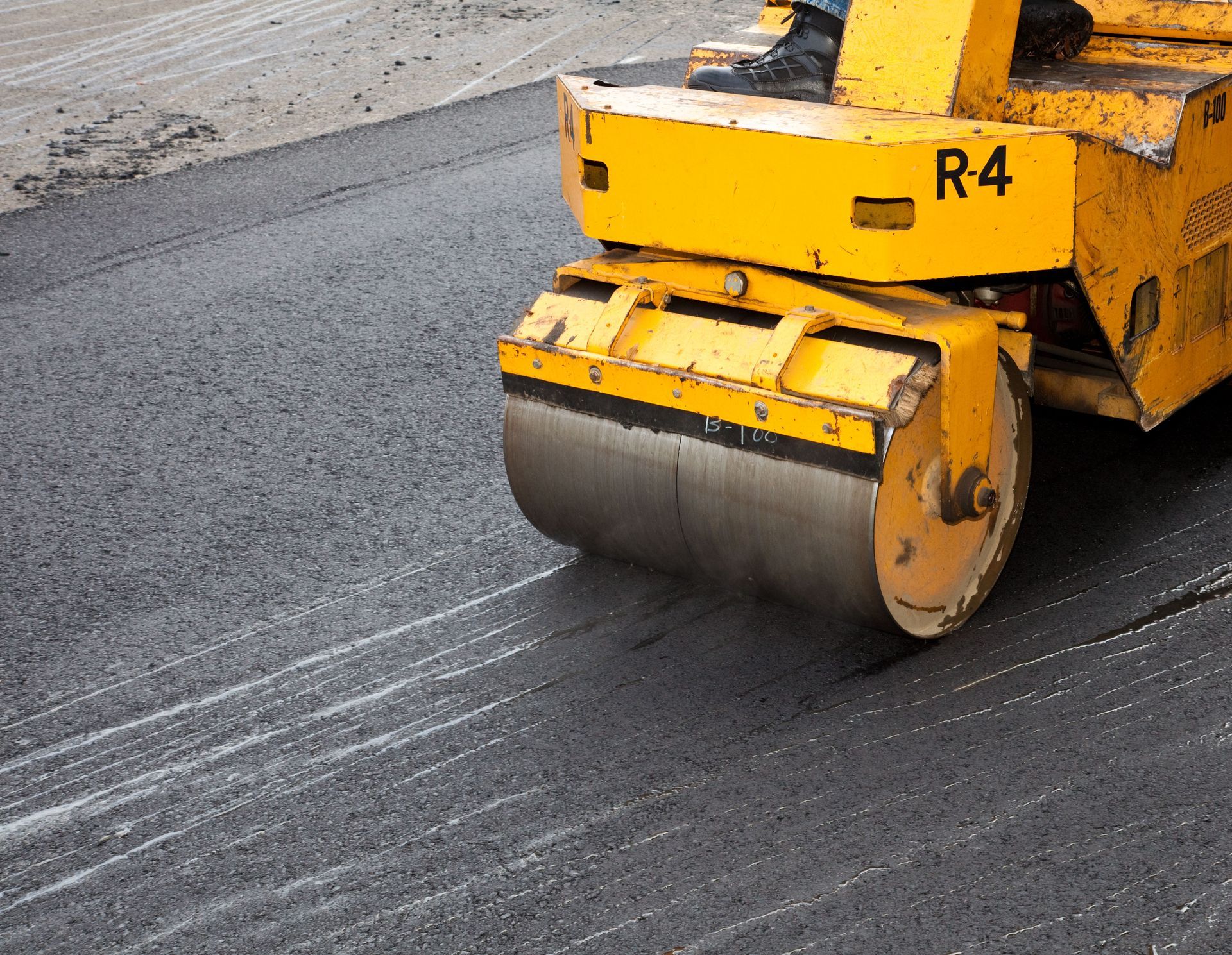
Compaction equipment further strengthens the pavement by eliminating air pockets and increasing density. Rollers designed for different materials and conditions allow crews to apply consistent pressure across the surface. By carefully controlling factors such as speed and number of passes, paving companies create tightly bonded layers that resist wear and structural failure. This level of precision helps extend the life of the pavement and supports long-term reliability.
Applying Protective Treatments and Extending Pavement Life
Protective treatments are essential for maintaining the condition of paved surfaces over time. Sealants and binders act as barriers against moisture, chemicals, and environmental exposure. When applied correctly, these materials help preserve the integrity of the pavement and reduce the likelihood of cracks and surface damage. Paving companies incorporate these treatments as part of a broader maintenance strategy designed to support long-term performance.
Temperature fluctuations and weather conditions can place significant stress on pavement surfaces. High-performance sealants are formulated to adapt to these changes, allowing the pavement to expand and contract without losing structural stability. By selecting the appropriate products and applying them at the right intervals, paving companies help extend the lifespan of their work while minimizing the need for frequent repairs.
The impact of proper maintenance becomes even clearer when considering industry data. According to Forbes, asphalt paving can last between 15 and 30 years on average. This highlights the importance of ongoing care, as consistent maintenance and protective treatments play a major role in reaching the upper end of that range. With the right approach, paving companies help property owners get more value and performance from their investment.
Incorporating Sustainable and Recycled Materials
Sustainability has become an important consideration in modern paving projects. The use of recycled materials, such as reclaimed asphalt pavement, allows paving companies to reduce waste while maintaining strong performance standards. These materials retain valuable components that can be reused effectively, supporting both environmental goals and cost efficiency.
Incorporating recycled materials requires careful planning and testing to maintain consistency. Paving companies evaluate the quality of these materials to confirm they meet the same performance requirements as new resources. When properly processed and integrated, recycled materials can deliver comparable durability while reducing the environmental impact of construction activities.
This approach also supports long-term resource management within the industry. By reducing reliance on newly sourced materials, paving companies contribute to more sustainable practices while still delivering reliable results. As technology continues to improve, the use of recycled materials is likely to expand, offering even more opportunities to balance performance with environmental responsibility.
Developing Skilled Teams and Maintaining Safe Work Practices
A well-trained workforce is essential to the success of any paving project. Skilled crews bring the knowledge and experience needed to handle complex tasks, operate advanced equipment, and adapt to changing site conditions. Paving companies invest in training programs that cover both technical skills and practical applications, helping workers perform their roles with confidence and precision.
Safety is another critical component of professional paving operations. Clear protocols, regular training sessions, and consistent oversight help create a work environment where risks are minimized. Paving companies emphasize proper equipment use, hazard awareness, and protective measures to maintain safe job sites. This focus on safety not only protects workers but also supports smoother project timelines and better overall outcomes.
Ongoing education keeps teams up to date with evolving industry standards and new technologies. By encouraging continuous learning, paving companies build crews that can adapt to new methods and deliver consistent results. A knowledgeable and prepared workforce plays a direct role in achieving durable, high-quality paving projects that meet both performance and safety expectations.
Long-lasting paving results are built through a combination of thoughtful planning, quality materials, and precise execution. Professional paving companies bring these elements together by focusing on every stage of the process, from site preparation to final treatments. Their commitment to consistency and performance allows them to deliver surfaces that stand up to daily use while maintaining their structural integrity over time.
Whether the goal is improving a commercial property or upgrading residential surfaces, working with experienced
paving companies can make a measurable difference in the outcome. If you are considering a paving project, now is the time to connect with a professional team that prioritizes durability and long-term value. Reach out today to discuss your project and take the first step toward a surface designed to perform for years to come.