November 12, 2026
Blacktop surfaces provide a clean entryway for parking cars, shooting hoops, and welcoming guests. Over time, outdoor exposure challenges even the toughest paved surfaces, producing tiny surface gaps that widen into obvious fractures. Learning why pavement breaks apart helps you understand how experienced paving crews restore smooth, dependable driveways.
Halting Underground Water Movement and Winter Frost Heaves
Hidden moisture moving through subterranean dirt layers causes immense trouble for paved surfaces. Rain soaks deep into the earth, collecting in low pockets directly beneath the compacted base layer. When freezing weather arrives, that trapped moisture turns into solid ice sheets that expand rapidly, shoving upward against the pavement like a slow hydraulic jack. This upward thrust bows the flexible blacktop, forcing tension cracks to tear open across high-traffic lanes.
Once cracks break through the surface, everyday rainfall takes the shortest route downward. Water trickles into the newly opened crevices, washing away fine aggregate particles from the support base beneath. Without firm packed earth underneath to carry the weight of passenger cars, the unsupported surface collapses under standard tire pressure. Experienced residential paving contractors identify these underground drainage issues, clearing out compromised dirt sections and reinforcing the foundational stone base so water flows away from the driveway footprint.
Spring thaw cycles accelerate this underground destabilization when frozen ground melts into mushy mud. Heavy vehicles rolling across soft, saturated levels create alligator cracking, where pavement shatters into interconnected geometric blocks resembling reptile skin. Paving specialists cut away these ruined sections cleanly down to solid earth, compacting fresh angular gravel to rebuild a solid pad. Restoring proper subsurface strength prevents ground movement from shattering fresh pavement layers, keeping your parking area level and intact.
Shielding Exterior Surfaces from Relentless Sun Exposure
Sunlight feels great on a cool afternoon, but intense solar radiation slowly robs pavement of its natural flexibility. Fresh blacktop contains rich petroleum binding oils that allow the surface to bend slightly under heavy loads without snapping. Ultraviolet rays bake the top layer continuously, drying out essential oils and turning rich dark charcoal surfaces into dull, brittle gray slabs. As oils evaporate, the surface hardens into a rigid shell that can no longer flex.
Brittle pavement develops microscopic hair fractures that spread out like spiderwebs across high sun zones. Driving heavy pickup trucks or family vans across dried pavement snaps the rigid binder, creating surface flaking and crumbling edges. Qualified residential paving contractors apply thick, commercial-grade sealcoating that acts as heavy sunblock over the pavement. This dark liquid coating replenishes moisture barriers, blocking ultraviolet radiation from cooking the binder while restoring the rich black color homeowners love seeing out front.
Thermal expansion adds another layer of strain during scorching summer heatwaves. Black surfaces absorb massive heat loads, expanding during midday sun and shrinking rapidly as nighttime temperatures fall. This constant push and pull creates crosswise stress cracks running from one side of the driveway to the other. Paving crews seal these shifting seams with hot-poured rubberized compounds that expand and contract with the pavement, preventing summer heat spikes from tearing open wide chasms across your parking pad.
Managing Heavy Vehicle Weight and Ground Compaction
Every vehicle parked in your driveway places concentrated weight on four small tire contact patches. Passenger sedans distribute weight evenly, but large moving vans, roofing delivery trucks, and loaded garbage haulers put immense pressure on localized spots. If the original gravel bed was rolled unevenly, heavy axle loads crush the pavement downward, forming sunken wheel ruts that trap standing puddle water after every thunderstorm.
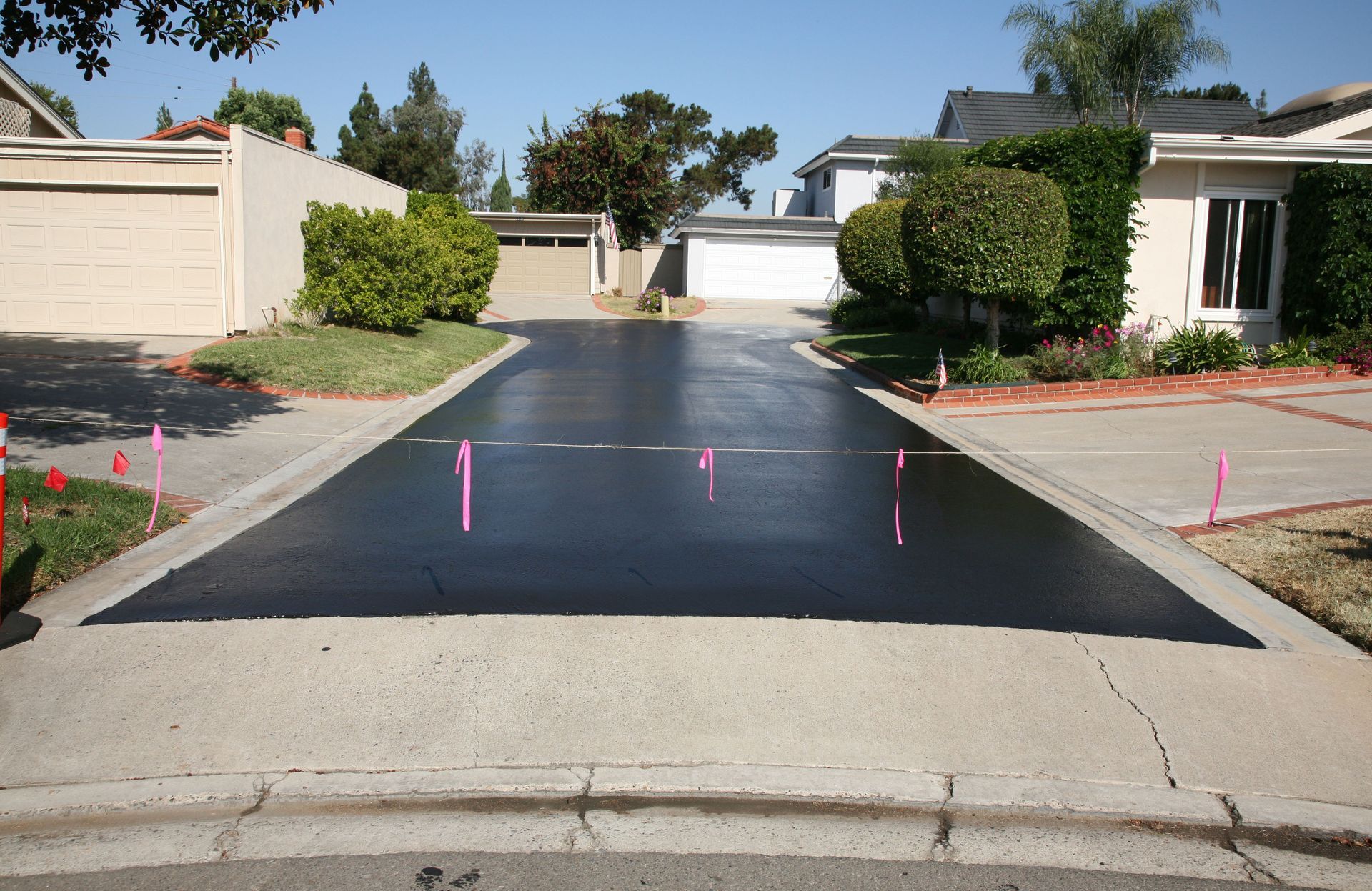
According to HomeGuide, after installing an asphalt driveway, you should wait 24 to 48 hours before driving or parking on it for it to fully harden. Respecting this initial curing window gives the binder time to knit stones together into a resilient solid. When impatient drivers roll heavy wheels over fresh asphalt too soon, tires leave permanent depressions that compromise the structural balance of the entire driveway. Qualified residential paving contractors set up clear job perimeters, guiding homeowners on curing times to preserve factory-grade smoothness from day one.
Overloaded driveway perimeters frequently crack along outside edges where the loose topsoil meets paved edges. Without solid shoulder support, tires rolling near the grass crumble the unsupported asphalt border into loose chunks. Paving specialists shape beveled edge borders and pack surrounding soil firmly against the pavement margins. Creating stable side shoulders prevents heavy vehicle tires from breaking off outside edges, keeping your driveway perimeter straight, crisp, and fully supported under daily traffic.
Stopping Aggressive Tree Roots and Invasive Vegetation
Tall shade trees bring beauty and comfort to front yards, but their root networks travel surprising distances hunting for moisture. Strong lateral roots push through gravel beds, swelling in thickness each year until they press directly against the underside of the asphalt. This steady upward pressure creates distinct raised speed bumps across the blacktop, which quickly crack along the crown as roots continue their upward climb.
Weeds and aggressive grasses also exploit tiny air voids along pavement borders and seams. Airborne seeds drift into minor surface pits, germinating in the dirt dust blown into cracks. Once roots take hold, growing weeds act like small wedges, prying asphalt stones apart with surprisingly persistent strength. Skilled residential paving contractors clean out rooted cracks using high-velocity air lances and heat torches, vaporizing plant matter and clearing debris before applying industrial bonding fillers to lock the seam tight.
Managing aggressive vegetation requires smart coordination before laying fresh blacktop over old root zones. Paving professionals evaluate nearby tree canopies, installing durable root barrier sheets deep along driveway borders to guide aggressive roots downward away from the stone base. By directing root pathways away from paved areas, you preserve mature shade trees while protecting your driveway surface from unsightly humps, broken borders, and premature structural damage.
Rebuilding Damaged Pavement with Specialized Surface Solutions
Minor surface blemishes do not always demand tearing out the whole driveway down to raw dirt. When the lower stone base remains solid and uncompromised, technicians employ targeted resurfacing techniques to renew the driveway. Diamond milling machines shave down high spots, rough transitions, and warped bumps, leaving an evenly textured surface that bonds tenaciously with fresh blacktop overlays.
Liquid crack filling forms the critical backbone of routine driveway preservation work. Paving specialists route out jagged crack walls, creating a uniform channel that accepts hot-applied elastomeric sealants. Partnering with seasoned residential paving contractors delivers industrial-grade hot rubber that bonds permanently to asphalt sidewalls, remaining pliable through subzero winter freezes and sweltering summer afternoons. Sealing fractures stops water from penetrating the gravel base, extending the usable life of your driveway for years.
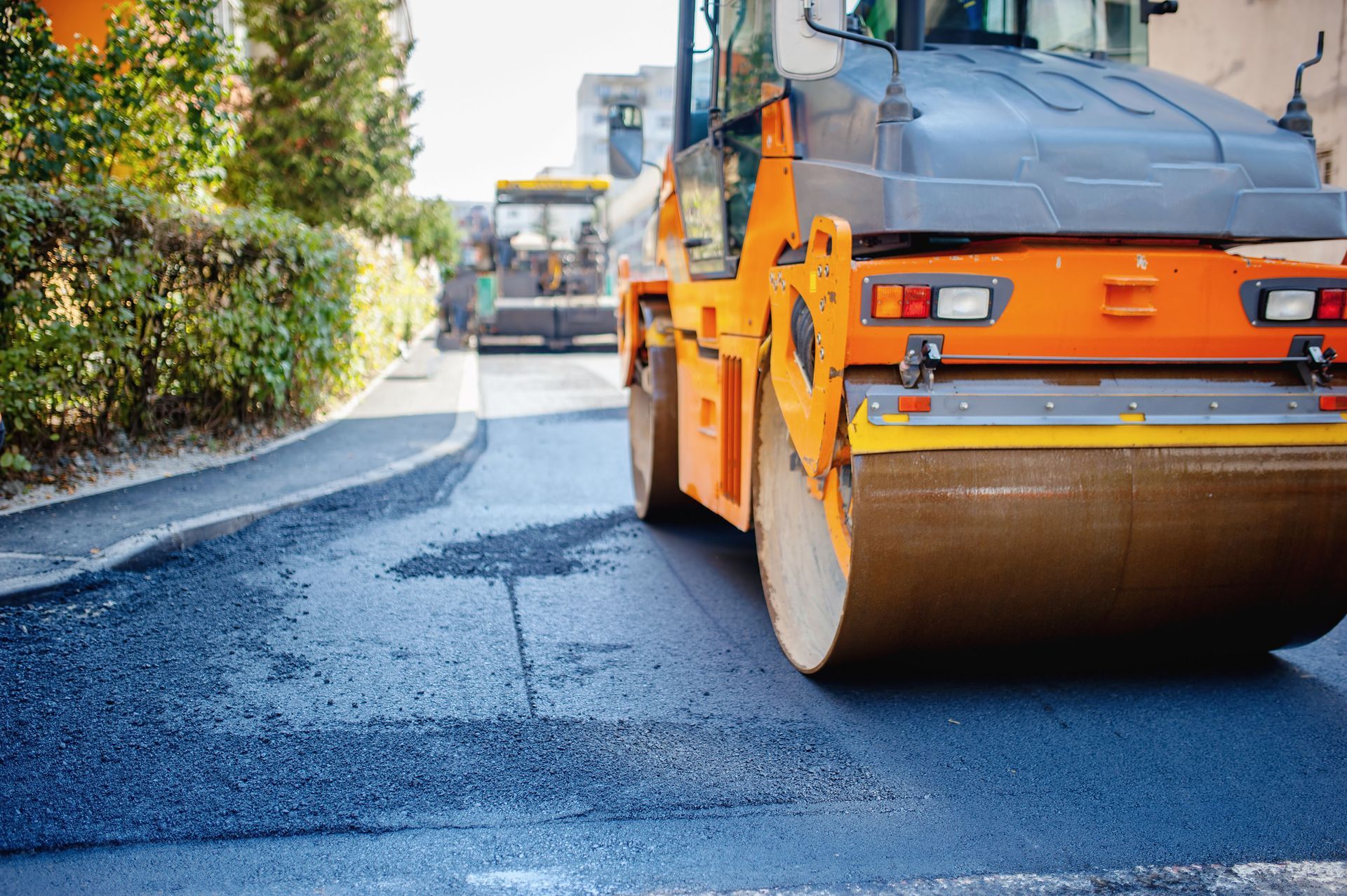
When older driveways display extensive surface wear across the entire layout, capping it with a fresh batch of hot asphalt offers complete renewal. Paving crews spray a sticky liquid tack coat over the prepared blacktop, followed by a dense layer of hot asphalt rolled smooth with heavy vibratory rollers. Choosing knowledgeable residential paving contractors gives your property an immaculate, mirror-smooth surface that handles daily parking, boosts neighborhood curb appeal, and withstands harsh seasonal elements year after year.
Maintaining a smooth asphalt driveway comes down to controlling moisture, deflecting harsh sunlight, and managing heavy vehicle loads. Professional paving crews bring the heavy machinery, specialized materials, and technical skill needed to repair cracks and rebuild durable foundations. Give your property the expert care from Mid-Ohio Asphalt & Concrete Inc and enjoy dependable pavement for years.