November 24, 2026
Asphalt resurfacing is a practical way to restore the appearance and functionality of driveways, parking lots, and other paved surfaces without removing the entire pavement structure. Over time, traffic, weather, and water exposure can cause visible wear that affects safety and performance. When the underlying foundation remains stable, adding a new asphalt layer can provide a cost-effective alternative to complete replacement. Understanding the resurfacing process, its benefits, and maintenance requirements helps property owners make informed decisions. Working with an experienced paving contractor also makes it easier to determine whether resurfacing is appropriate.
Understanding the Asphalt Resurfacing Process
What Asphalt Resurfacing Involves
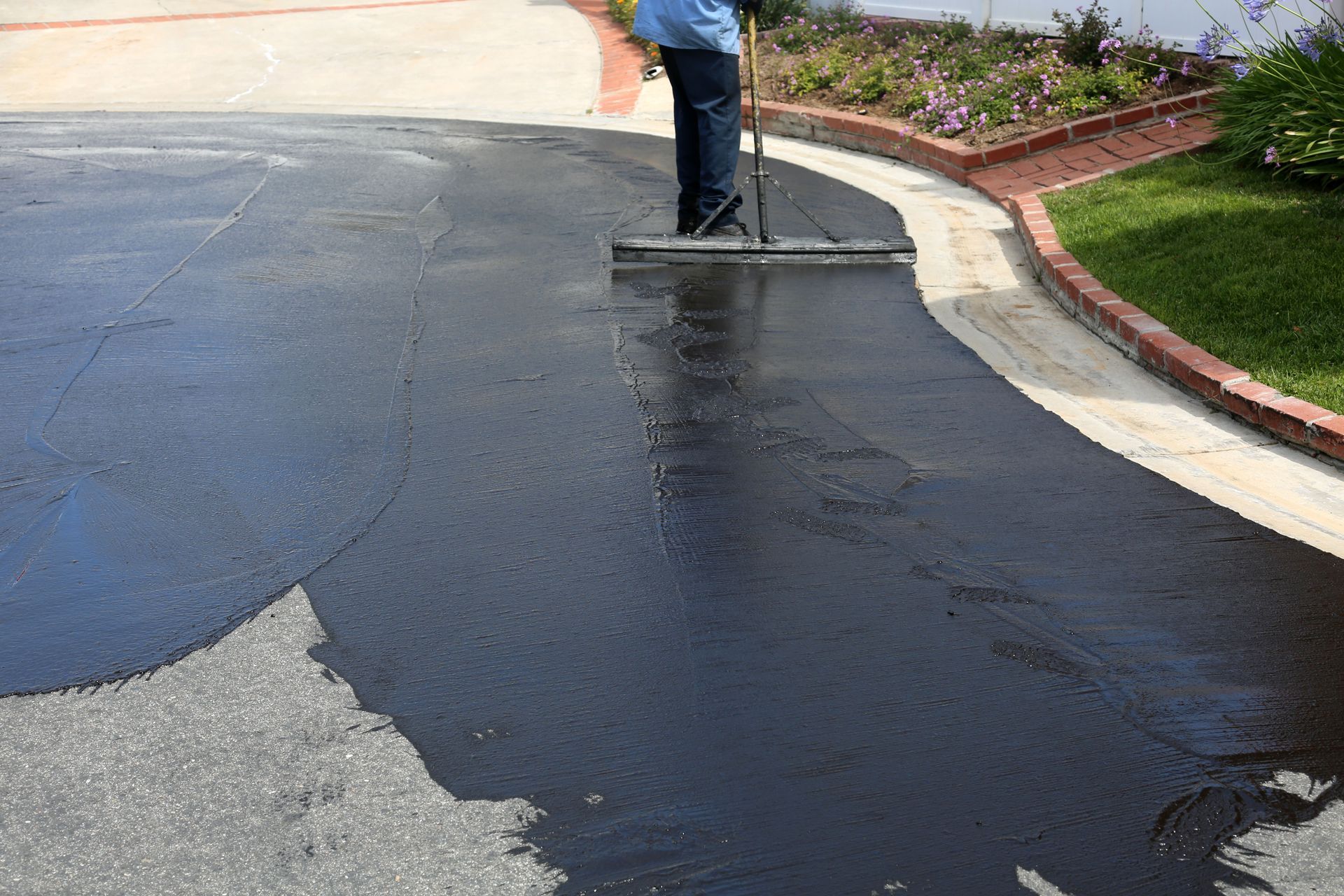
Asphalt resurfacing, sometimes called an overlay, involves applying a new layer of asphalt over an existing paved surface. This restores a smoother appearance while addressing surface-level problems such as minor cracks, shallow depressions, and general wear. Unlike complete replacement, resurfacing preserves the existing pavement structure when its foundation remains in suitable condition.
According to Forbes, asphalt paving can last between 15 to 30 years on average. Proper installation and ongoing maintenance contribute to achieving a longer service life. Resurfacing can help extend the usefulness of existing pavement when performed at the appropriate stage of deterioration.
When Resurfacing Is Appropriate
Resurfacing is generally appropriate when pavement shows noticeable surface deterioration but remains structurally sound. Widespread surface wear, minor potholes, and shallow cracking may indicate that a new asphalt layer could restore the area. However, significant foundation damage and persistent drainage problems may require more extensive work first.
A professional evaluation helps determine whether existing pavement can support another layer. A paving contractor can inspect the surface, identify underlying concerns, and recommend an appropriate approach.
How Resurfacing Differs From Replacement
Resurfacing adds new asphalt over an existing surface, while replacement involves removing damaged pavement and rebuilding the area. Replacement is often necessary when the base has deteriorated, or structural problems affect the entire paved section. When the foundation remains stable, resurfacing generally requires less excavation, material, and labor than complete reconstruction.
What Happens During Installation
The resurfacing process begins with an inspection and preparation of the existing pavement. Contractors clean the area, remove loose material, and address suitable surface defects. Milling may also be necessary to remove uneven sections or create appropriate elevations.
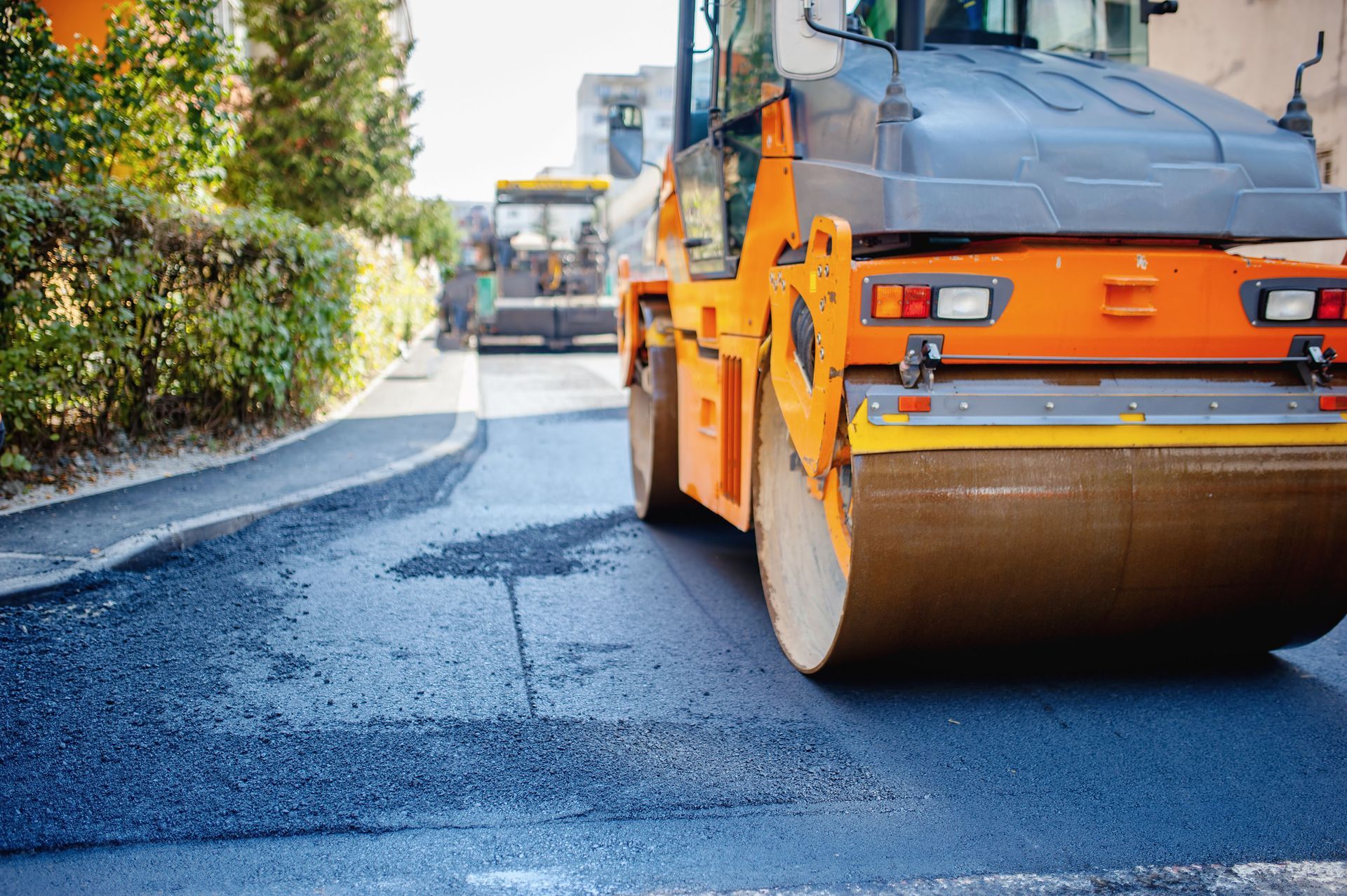
After preparation, workers apply a new asphalt layer and compact it using specialized equipment. Proper thickness, placement, and compaction help create a consistent finish that can withstand regular traffic. Project duration varies according to the area, weather, and preparation requirements.
Evaluating the Benefits of Asphalt Resurfacing
Improving Pavement Appearance
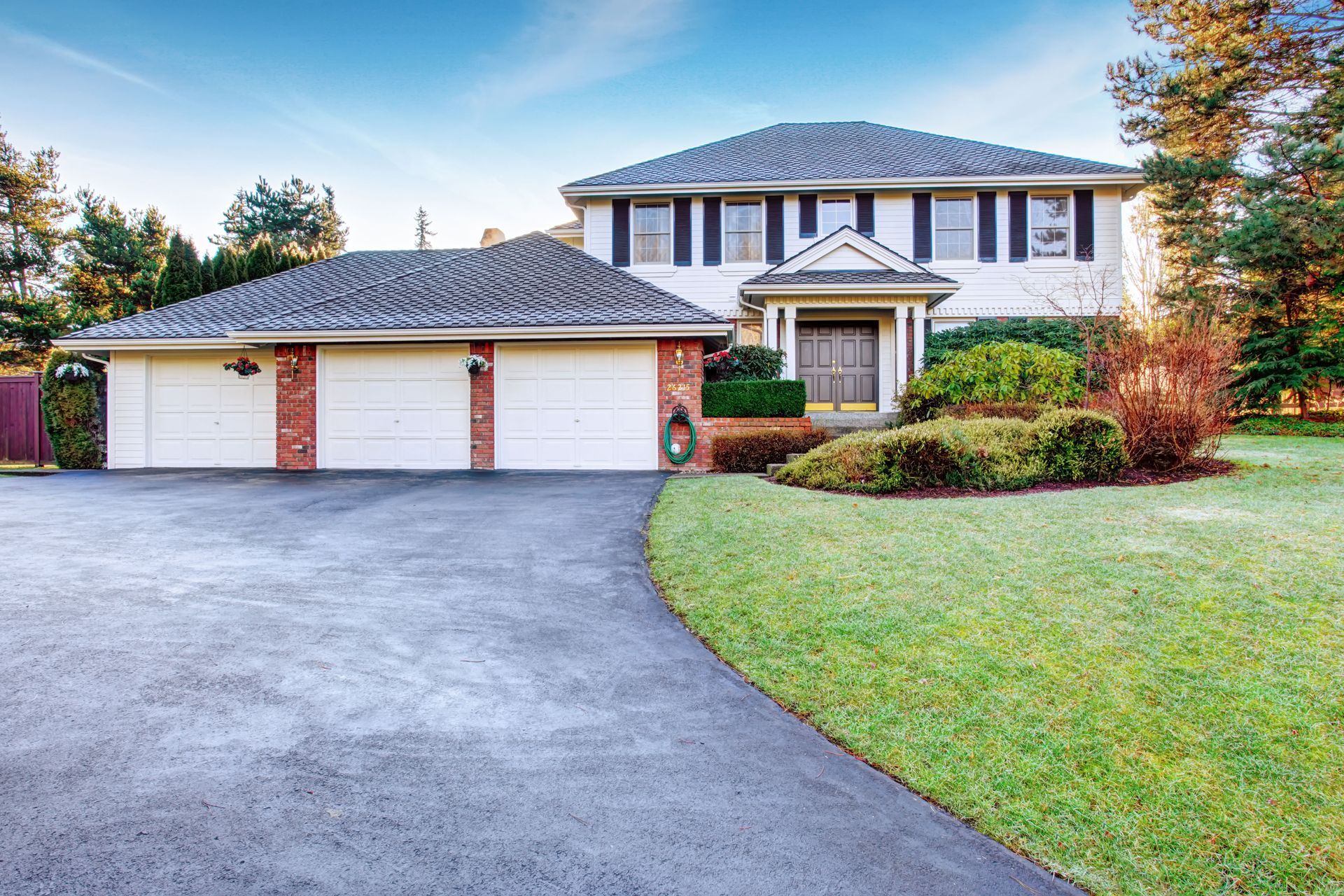
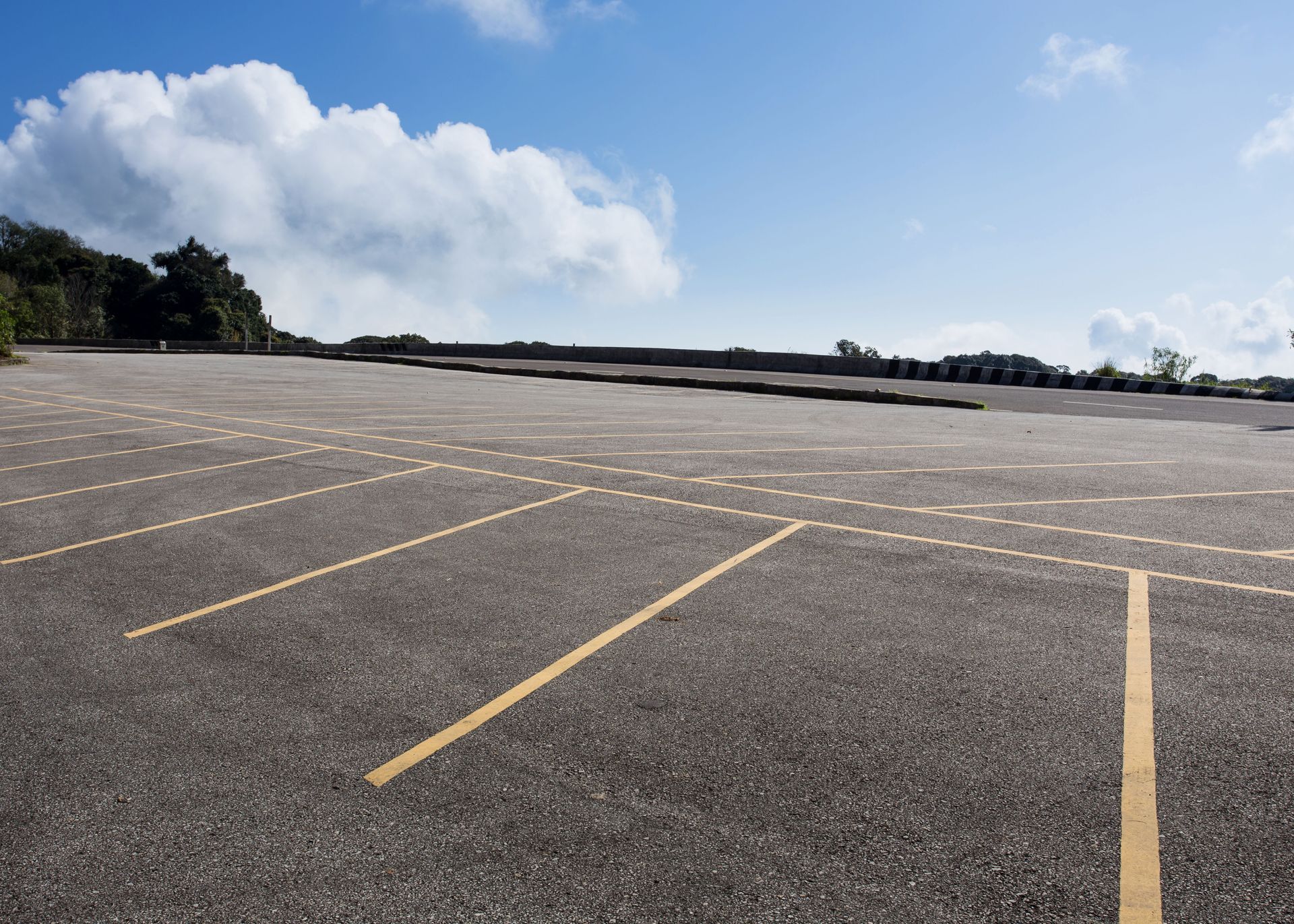
One noticeable benefit of resurfacing is the improvement in a property's appearance. Aging pavement can develop faded areas, uneven textures, and visible damage. A new asphalt layer creates a more uniform finish that can improve the presentation of a driveway or parking lot. For businesses, attractive pavement contributes to a more organized appearance for customers, employees, and visitors.
Reducing Reconstruction Expenses
When existing pavement is structurally suitable, resurfacing can be less expensive than removing and rebuilding the entire area. The process typically requires fewer materials and less extensive labor, allowing property owners to address deterioration without undertaking complete reconstruction.
However, resurfacing is not always the most economical long-term option. Applying a new layer over an unstable foundation can lead to recurring problems. A paving contractor can help property owners compare resurfacing with other solutions and understand the work required.
Supporting Pavement Durability
A properly installed overlay provides a renewed wearing surface that helps protect underlying pavement from everyday traffic and environmental exposure. It also creates an opportunity to correct surface irregularities before they contribute to additional deterioration. Addressing damaged areas and evaluating the foundation before installation helps support the finished surface's performance.
Planning the Costs and Project Requirements
Understanding Resurfacing Cost Factors
The cost of resurfacing depends on several variables. The size of the paved area, thickness of the new layer, and condition of existing pavement all influence the amount of work required. Additional preparation, patching, milling, and drainage improvements can also affect the estimate.
Property owners should request detailed estimates from a paving contractor that explain the proposed work, materials, and preparation requirements rather than comparing prices alone.
Comparing Available Paving Solutions
Resurfacing is one of several options for addressing deteriorating asphalt. Patching can correct isolated damage, while sealcoating provides a protective treatment for pavement that does not require structural repairs. Complete replacement may be necessary when deterioration extends into the underlying foundation.
Each approach serves a different purpose. A professional assessment helps property owners determine which option addresses their pavement's actual condition.
Selecting a Qualified Asphalt Contractor
Evaluating Experience and Equipment
Successful resurfacing requires appropriate materials, preparation methods, and installation equipment. Property owners should look for contractors with experience handling projects similar in size and purpose to their own. Familiarity with residential driveways, commercial parking lots, and local weather conditions can help inform project recommendations.
Milling machines, paving equipment, and rollers help prepare existing surfaces, distribute asphalt, and achieve proper compaction. A paving contractor should be able to explain how these steps apply to the proposed project.
Reviewing Estimates and Project Details
Before selecting a contractor, property owners should review estimates carefully. A useful proposal outlines the preparation process, asphalt application, anticipated schedule, and additional repairs. Comparing multiple proposals based on their scope and included services can help property owners make informed decisions.
Checking References and Agreements
Past projects and customer feedback can provide insight into a contractor's reliability and workmanship. Property owners can review photographs, testimonials, and references from previous customers. They should also confirm applicable licensing and insurance requirements.
A written agreement should identify the project scope, payment schedule, expected timeline, and applicable warranty terms. Reviewing these details helps establish clear expectations before work begins.
Maintaining Resurfaced Asphalt
Establishing a Routine Maintenance Schedule
Regular inspections help property owners recognize developing problems before they become more extensive. Removing debris, monitoring surface conditions, and addressing oil or chemical spills can help preserve asphalt. Property owners should also watch for new cracks, depressions, and areas where water collects.
Protecting the Surface From Water
Water infiltration is a common contributor to asphalt deterioration. When water enters cracks or collects beneath pavement, it can weaken supporting layers and contribute to potholes. Maintaining effective drainage helps limit prolonged moisture exposure. Persistent drainage problems should be evaluated professionally rather than covered with another asphalt layer.
Addressing Damage Promptly
Small cracks, isolated potholes, and surface irregularities can develop into larger problems when left untreated. Prompt repairs help prevent moisture from reaching deeper pavement layers and reduce the likelihood of extensive damage. Consulting a paving contractor helps property owners select an appropriate maintenance response.
Recognizing When Professional Resurfacing Is Needed
Identifying Widespread Surface Deterioration
Fading, widespread shallow cracking, and recurring surface defects may indicate that pavement needs more attention than routine maintenance can provide. These conditions do not automatically mean complete replacement is necessary. However, they warrant an inspection to determine whether the existing surface can support an overlay.
Evaluating Structural and Drainage Concerns
Deep cracks, extensive alligatoring, significant rutting, and recurring potholes may point to problems beneath the asphalt. Standing water and unstable pavement can also indicate that the foundation needs attention. Resurfacing without correcting these conditions may only provide a temporary improvement.
Choosing the Right Time to Schedule Work
Planning resurfacing before deterioration becomes severe can give property owners more options for maintaining their pavement. Weather, site conditions, and project scheduling all influence when installation should take place. A professional evaluation can help establish an appropriate timeline.
Asphalt resurfacing can be a practical investment when existing pavement remains structurally sound. Understanding the installation process, comparing available solutions, and maintaining the finished surface contribute to better long-term results. Property owners considering an overlay can contact Mid-Ohio Asphalt & Concrete Inc to discuss their paving needs and schedule an evaluation. Working with a knowledgeable paving contractor can help determine the right approach for restoring residential or commercial pavement.